





What Diamondaud Login Means For New Players
The first question is usually simple: how do you enter the platform without friction, and what should you prepare before the first session? In 2026, a smooth start often comes from basic habits - one device, one payment route, and account details you can verify later if needed.
Imagine you sit down after work with twenty quiet minutes and want to see how the platform feels before depositing. Most players begin by checking the account area, reading the cash-out notes, and deciding whether they want a short trial session or a longer evening. That pause saves time later, because access problems often start with rushed details entered in the first minute.
Where Diamondaud Casino Sign Up Starts
Registration normally begins with a short form, but the useful part is what happens before you submit it. Check the spelling of your name, make sure your birth date matches your documents, and decide which payment path you want to keep for regular use. Players often skip that thinking stage, then later wonder why a routine review takes longer than expected.
If you are the kind of person who opens several tabs at once, slow down for a moment. A single clean session is better. Usually players fill in the form, confirm contact details, review the notes on deposits and withdrawals, and only then move into the lobby. In Australia, the platform may be available to adult users, yet the actual experience still depends on consistent details and any checks requested during payment or withdrawal stages.
A Fast Check Before Entering Payment Details
Before adding funds, look for three things - the cashier layout, the verification notes, and the session control tools. Picture a player who deposits quickly from a secondary card and later forgets which method was used. Recovery becomes annoying even when nothing is technically wrong. As a rule, it is better to use a payment source you recognize instantly, keep the first amount modest, and learn how the balance history is displayed before spending more.
Building A Smooth First Session
A good first session is less about excitement and more about sequence. Open the account area, review the profile section, set a budget, scan the lobby categories, and only then pick a game style. This order sounds basic, yet it prevents the common beginner mistake of mixing account setup with impulsive play.
Imagine you only have forty minutes before leaving home. Long live tables may not suit that window. Many players choose shorter formats, keep the budget visible on screen, and stop after one or two clear cycles instead of chasing variety for its own sake. The result is not only more controlled spending, but also a better sense of how the site actually works.
Another overlooked detail is the profile area. Check whether contact preferences, currency display, and notification settings are easy to edit. When small settings are simple to change, players are more likely to keep records tidy and notice unusual activity early.
How Players Usually Set Limits Early
Usually the smart move is to decide on a ceiling before the balance appears larger than expected. Imagine a weekend session where a player starts well and assumes the pace can continue. That is exactly when deposit, loss, or time reminders become useful, because they interrupt emotion with a rule you already accepted. Even short cooling-off options can help when you want distance without closing the account completely.
Games, Filters, And Session Rhythm

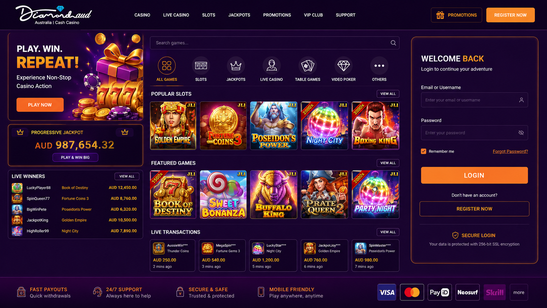
Once the account is active, the next step is not to click the brightest tile. It is to understand how the lobby organizes choice. Categories, themes, feature labels, and stake filters all shape the session. A platform that lets users narrow options quickly is easier to read than one that forces endless scrolling.
Imagine you want something simple after a long day, not a deep search through hundreds of thumbnails. Most players use filters first: they sort by category or theme, then compare stake levels and session pace. That routine does not remove risk, but it cuts out noise and makes bankroll decisions easier.
Session rhythm matters more than many people admit. Some games move quickly and invite repeated actions with little thinking time. Others create natural pauses between rounds. If you know you tend to speed up when the interface feels fast, pick formats that give you space to stop, review the balance, and decide whether to continue.
Picking A Format That Matches Your Budget
A realistic budget should shape the game choice, not the other way around. If your plan is modest, choose formats with clear stake visibility and easy exit points. Picture a user who deposits a limited amount and goes straight into a feature-heavy title with fast cycles. A slower format, or at least one with clearer pacing, gives that player time to notice how the session feels and whether the spend still matches the original plan.
When Demo Style Exploration Helps
If you are unsure where to begin, exploration without immediate pressure can be useful. Many players first scan categories, read game descriptions, and compare rule summaries before committing money. Imagine browsing during a lunch break just to map the lobby - that quiet preview often leads to better choices later, because the evening session starts with a plan instead of random clicks.
Payments, Timing, And Withdrawals
Money movement is where casual curiosity becomes a real customer experience. A platform can look polished, but players judge it by how clearly it presents deposits, review steps, cash-out requests, and transaction history. In Australia, that clarity matters because users often compare payment options by speed, traceability, and comfort on mobile banking.
Imagine you finish a session in profit and want to withdraw part of the balance, not all of it. The easiest route is usually the one you can monitor without confusion. Players often prefer methods that show recognizable records, support straightforward tracking, and fit the same verified details used when the account was opened.
Payment Focus | What Players Usually Check | Why It Matters |
|---|---|---|
Card method | Name match, visible history, daily budgeting | Easier to trace and review later |
Bank transfer | Account accuracy, timing expectations, clear records | Useful for larger, more deliberate transactions |
Digital wallet | App access, confirmation speed, device security | Convenient for short sessions and frequent checks |
Prepaid option | Upfront control, spending cap, reload routine | Helpful for players who want strict budgeting |
The table is not about finding a perfect method. It is about matching a method to behavior. If you tend to review every transaction, a card or bank route may feel cleaner. If you value fast confirmation from a phone, a wallet can feel more practical, provided you secure the device properly.
Choosing A Method You Can Track
A simple rule works well here: choose the method you can explain to yourself six weeks later. Imagine opening your statements and seeing several small entries from a busy month. If the transaction path is messy, the account feels messier too. Most experienced players pick one main method, one backup at most, and keep notes of important requests until the money is settled.
Mobile Play In 2026
By 2026, many users do not separate desktop and mobile play in a strict way. They register on a laptop, check balances on a phone, browse games on a commute, and return to a larger screen at night. The better experience is the one that keeps account settings, history, and payment tools readable across both formats without forcing the player to relearn the layout.
Imagine standing in line with ten spare minutes and opening the platform from your phone. In that moment, oversized menus and hidden cashier buttons become real problems. Most players want quick access to the balance, recent games, support, and limit tools without multiple detours. Mobile convenience is not just about loading speed - it is about reducing accidental taps and keeping important actions visible.
Short Sessions On The Move
If you mainly play from a phone, think in blocks of time rather than broad ambitions. A ten-minute ride, a coffee break, or a quiet wait before dinner creates a different mood from an evening at home. Usually players who treat mobile play as a short, contained activity manage it better, because the session has a natural endpoint and less room for drift.

Support, Security Habits, And Player Feedback
Customer support becomes important the moment something small goes wrong. Maybe a confirmation code arrives late. Maybe a withdrawal status looks unclear. Maybe a limit was changed and you want to know when it takes effect. The strongest habit is not to panic. Check the profile, read the cashier notes, gather the relevant details, and then contact support with one focused question.
Imagine a player who sends four different messages because the first reply did not arrive immediately. That usually slows things down. A cleaner approach is to provide the username, the time of the request, the payment method, and the exact issue in one message. Concise detail is better than frustration.
Security habits belong here too. Use private devices where possible, log out after shared access, avoid recycled passwords, and review any login alert or profile change notification carefully. Player feedback can also be useful when read with balance: compare repeated themes, not emotional one-off complaints. Adults in Australia who use gaming platforms regularly often benefit from clear timeouts, self-exclusion options, deposit controls, and visible reality checks.
What To Do If Something Feels Off
Trust your pause button. If a payment looks unfamiliar, if the account behaves strangely, or if the session stops feeling controlled, step back before doing anything else. Imagine noticing a change in profile data you do not remember making. The right response is usually to stop play, review recent activity, change credentials, and contact support with specific details rather than continuing as if nothing happened.